



Key Takeaways
- Initial Cost vs. Lifetime Value: Asphalt typically costs 30-40% less initially, while concrete offers a longer lifespan with less maintenance, potentially balancing lifetime costs.
- Climate Considerations: Colorado’s freeze-thaw cycles and temperature fluctuations affect both materials differently, with asphalt offering flexibility and concrete providing superior rigidity.
- Maintenance Requirements: Asphalt needs more frequent maintenance, including annual crack sealing and periodic sealcoating, while concrete requires less regular intervention but potentially more complex repairs when damage occurs.
- Aesthetic Options: Concrete provides superior design versatility through coloring, stamping, and texturing, while asphalt offers a classic, uniform appearance with limited but effective design possibilities.
- Professional Consultation: Site-specific factors significantly impact material performance, making professional assessment from experienced contractors essential for optimal material selection.
The Complete Guide to Selecting the Perfect Paving Material for Your Colorado Property
When it comes to paving projects in Denver and Wheat Ridge, Colorado, property owners face a crucial decision between asphalt and concrete paving. Both materials offer distinct advantages and considerations that impact long-term performance, especially in Colorado’s unique climate. With 25+ years of experience in the paving industry, Foothills Paving has helped countless commercial and residential clients navigate this important choice. This comprehensive guide examines the key factors to consider when selecting between asphalt and concrete for your parking lot, driveway, or roadway project.
Cost Analysis: Understanding the Financial Impact of Asphalt vs. Concrete
The financial implications of choosing between asphalt and concrete paving extend far beyond the initial installation. Property owners in Wheat Ridge and throughout Denver must consider both upfront costs and long-term financial commitments when making this critical decision.
Asphalt paving typically presents a more economical initial investment, costing approximately 30-40% less than concrete installation. This cost advantage stems from the materials themselves and the less labor-intensive installation process. For a standard 600-square-foot driveway in Denver, Colorado, asphalt installation might range from $2 to $6 per square foot, while concrete often starts at $5 to $10 per square foot. This difference becomes particularly significant for larger commercial parking lot paving projects where the surface area substantially increases the material requirements.
However, the complete financial picture must include maintenance costs over the pavement’s lifetime. Asphalt requires more frequent maintenance, including crack sealing every 1-3 years and sealcoating applications every 3-5 years to protect against oxidation and Colorado’s harsh weather conditions. These maintenance procedures, while effective, add to the long-term cost of ownership. Concrete paving, though requiring a higher initial investment, typically demands less frequent maintenance, potentially balancing the lifetime costs between the two materials.
Repair costs also factor into the equation. When damage occurs, asphalt repairs tend to be less expensive and more straightforward than concrete repairs. The construction industry has developed efficient methods for asphalt patching and overlays that can be completed relatively quickly and with minimal disruption to property usage. Concrete repairs often require more extensive work, including removal and replacement of entire sections, which increases both labor and material costs.
For commercial property managers in Wheat Ridge, Colorado, the timing of repairs can significantly impact business operations. Asphalt repairs can typically be completed more quickly than concrete repairs, reducing downtime for parking lots and access roads. This consideration is particularly relevant for businesses where continuous customer access is essential to operations.
Durability and Lifespan: How Climate Affects Your Paving Investment
Colorado’s unique climate presents specific challenges for paving materials, making durability a critical factor when choosing between asphalt and concrete for your Denver property. Understanding how each material performs under local conditions can help property owners make informed decisions that maximize their investment.
Asphalt paving demonstrates remarkable flexibility, allowing it to expand and contract with Colorado’s dramatic temperature fluctuations without developing significant structural damage. This flexibility is particularly valuable in Wheat Ridge, where temperatures can swing dramatically between seasons and even within a single day. When properly installed and maintained, asphalt typically offers a lifespan of 15-20 years for residential applications and 20-25 years for commercial parking lot paving with appropriate maintenance.
Concrete paving, by contrast, provides superior rigidity and load-bearing capacity, making it exceptionally durable under heavy traffic conditions. Concrete installations can last 25-30 years or more in Denver, Colorado, even with minimal maintenance. This extended lifespan makes concrete particularly attractive for high-traffic commercial applications where durability is paramount. The material’s resistance to petroleum products also makes it ideal for areas where oil leaks are common, such as automotive service centers or industrial facilities.
Weather resistance varies significantly between these paving materials. Asphalt’s dark surface absorbs heat, which accelerates snow and ice melt during winter months—a distinct advantage in Colorado’s snowy climate. However, this same characteristic makes asphalt more susceptible to softening during extreme summer heat. Concrete’s lighter color reflects more sunlight, keeping the surface cooler in summer but potentially extending ice presence in winter.
Freeze-thaw cycles represent one of the most challenging aspects of Colorado’s climate for paving materials. Water penetrates small cracks, freezes, expands, and creates larger fissures over time. Concrete, being more rigid, can experience more visible cracking from these cycles. Asphalt’s flexibility allows it to better accommodate this movement, though it still requires proper drainage design and regular crack sealing to prevent water infiltration.
For commercial applications in the construction industry, the choice between asphalt and concrete often depends on specific load requirements. Concrete generally offers superior performance for stationary heavy loads, while asphalt provides excellent support for moving loads. This distinction makes concrete preferable for loading docks and container storage areas, while asphalt often performs better for roadways and general parking areas.
Installation Process: Timing and Requirements for Your Paving Project
The installation process for both asphalt and concrete paving involves distinct procedures, timelines, and equipment needs that significantly impact project planning for property owners in Denver and Wheat Ridge. Understanding these differences helps set appropriate expectations and ensures successful project outcomes.
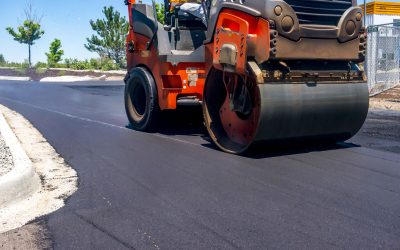
Asphalt paving installation begins with thorough site preparation, including excavation, grading, and compaction of the subgrade. This foundation work is critical regardless of whether the project involves a residential driveway or commercial parking lot paving. Once the subgrade is properly prepared, contractors install an aggregate base course that provides essential structural support and drainage. The paving equipment then places hot asphalt mix, which is immediately compacted using specialized rollers. This process requires precision timing, as the material must be installed while hot to achieve proper compaction and durability.
Concrete installation follows a similar site preparation process but differs significantly in the subsequent steps. After preparing the subgrade and base, contractors install forms to define the concrete boundaries and reinforcement materials like rebar or wire mesh to enhance structural integrity. The concrete mix is then poured, leveled, and finished using specialized tools to achieve the desired surface texture. Unlike asphalt, which can be used almost immediately, concrete requires a curing period of approximately 7 days before supporting vehicle traffic.
The time required for installation represents one of the most significant differences between these paving materials. Asphalt installation in Wheat Ridge, Colorado, typically allows for same-day or next-day use, making it advantageous for projects where minimizing downtime is essential. A standard residential driveway installation might be completed in 1-2 days, while larger commercial parking lots require proportionally more time. Concrete projects generally require more extensive timelines, with 1-3 days for installation plus the additional curing period before the surface can support vehicle traffic.
Weather conditions significantly impact installation schedules for both materials. Asphalt installation requires temperatures generally above 50°F for optimal results, limiting winter installation options in Colorado. Concrete can be installed in somewhat cooler temperatures but requires protection from freezing during the critical curing period. Both materials face installation challenges during precipitation, as moisture compromises proper bonding and structural integrity.
The paving equipment needed for these projects differs substantially. Asphalt installation requires specialized equipment, including pavers, rollers, and often an asphalt plant or delivery trucks to maintain proper material temperature during installation. Concrete projects typically utilize ready-mix trucks, concrete pumps, power trowels, and finishing tools. The contractor services required for both materials demand experienced professionals with specific expertise in the respective material.
Maintenance Requirements: Protecting Your Paving Investment
Proper maintenance is essential for maximizing the lifespan and performance of both asphalt and concrete paving in Colorado’s challenging climate. Understanding the specific maintenance requirements for each material helps property owners in Denver and Wheat Ridge develop effective care strategies that protect their investment.
Asphalt maintenance centers on preventing water infiltration and oxidation damage. Crack sealing represents the most critical maintenance procedure, ideally performed annually to prevent moisture from penetrating the surface and damaging the subgrade. According to Foothills Paving’s service specifications, high-quality hot rubberized crack seal material that meets or exceeds CDOT 3405 standards provides the most effective protection. Sealcoating applications every 3-5 years create a protective barrier against UV rays, petroleum products, and moisture, while simultaneously refreshing the surface appearance.
Concrete maintenance focuses primarily on preventing and addressing surface cracking. While concrete doesn’t require the regular sealcoating that asphalt demands, it benefits from periodic sealing every 2-5 years to prevent water penetration, particularly in freeze-prone regions like Colorado. Concrete crack repair typically involves specialized fillers designed to bond with the existing material while accommodating minimal movement. For both materials, prompt repair of damaged areas prevents more extensive deterioration and costlier future repairs.
Cleaning requirements differ between these paving materials. Asphalt benefits from regular sweeping to remove debris that can trap moisture against the surface. Oil and chemical spills should be cleaned promptly from both materials, though asphalt is more susceptible to damage from petroleum products. Concrete may require occasional pressure washing to remove stubborn stains and maintain its appearance, particularly for decorative installations.
The frequency of maintenance interventions varies based on usage patterns and environmental exposure. Commercial parking lot paving typically requires more frequent maintenance due to higher traffic volumes and turning movements that create additional stress on the pavement. Residential driveways generally experience less intensive use but still require regular inspection and maintenance to address developing issues before they worsen.
Maintenance materials and equipment needs differ substantially between asphalt and concrete. Asphalt maintenance often requires specialized equipment for sealcoating and crack sealing, while concrete repairs frequently involve specific patching compounds and finishing tools. For commercial property managers in Wheat Ridge, establishing a relationship with an experienced paving contractor like Foothills Paving ensures access to proper maintenance expertise and equipment when needed.
Winter maintenance considerations are particularly relevant in Colorado. Snow removal must be conducted carefully on both surfaces to prevent damage from plows and ice-melting chemicals. Concrete is generally more susceptible to damage from deicing salts, while asphalt typically withstands these chemicals more effectively but may suffer damage from improper plowing techniques.
Aesthetic Considerations: Design Options for Your Property
The visual impact of your paving choice significantly influences your property’s overall appearance and can enhance its value and appeal. Both asphalt and concrete offer distinct aesthetic qualities and design possibilities for residential and commercial properties in Denver and Wheat Ridge.
Asphalt paving provides a classic, uniform dark surface that creates a clean, defined look for driveways and parking lots. While traditionally limited in design variations, modern asphalt installations can incorporate decorative elements through creative striping patterns, colored sealcoats, and stamped patterns that mimic the appearance of brick or stone. These enhancements allow property owners to achieve more distinctive looks while maintaining asphalt’s practical benefits. For commercial parking lot paving, the contrast between fresh asphalt and bright striping creates clear traffic patterns that enhance both aesthetics and functionality.
Concrete paving offers superior design flexibility with numerous color, texture, and pattern options. Through stamping techniques, concrete can replicate the appearance of natural stone, brick, tile, or even wood. Integral coloring, staining, and dyeing processes allow for virtually unlimited color possibilities that can complement architectural elements or landscape designs. For homeowners in Wheat Ridge, Colorado, seeking to enhance curb appeal, decorative concrete provides opportunities to create truly custom installations that distinguish their property from neighboring homes.
Color choices impact both appearance and practical performance. Asphalt’s dark surface effectively absorbs heat, accelerating snow melt during Colorado winters but potentially becoming uncomfortably hot during summer months. Concrete’s naturally lighter color reflects more sunlight, creating a cooler surface in summer but potentially extending ice presence in winter. For commercial properties, this temperature difference can influence customer comfort and safety in outdoor spaces.
Integration with landscaping represents another aesthetic consideration. Concrete’s design versatility allows for seamless transitions between paved areas and landscaped spaces through complementary colors and textures. Asphalt’s uniform appearance creates strong visual boundaries that can define spaces effectively but may require additional landscape elements to soften transitions. Both materials can be enhanced with decorative borders that complement surrounding features.
Curb appeal and property value implications differ between these paving materials. Well-maintained asphalt presents a neat, professional appearance that meets expectations for most residential and commercial properties. Decorative concrete, while more expensive, can significantly enhance property aesthetics and potentially increase property value by creating distinctive, high-end appearances. For businesses in Denver, Colorado, the visual impression created by paving choices contributes to customer perceptions of professionalism and attention to detail.
Aging characteristics also differ between these materials. Asphalt typically fades from deep black to gray over time, with periodic sealcoating restoring its appearance. Concrete generally maintains its original color and pattern more consistently, though it may develop patina or slight discoloration with age. Both materials can be refreshed through appropriate maintenance procedures when signs of aging become apparent.
Environmental Impact: Sustainability Factors in Paving Choices
Environmental considerations have become increasingly important for property owners in Denver and Wheat Ridge when selecting paving materials. Both asphalt and concrete present distinct environmental implications that merit careful evaluation during the decision-making process.
The recyclability of paving materials represents a significant environmental factor. Asphalt paving stands out for its exceptional recyclability, with reclaimed asphalt pavement (RAP) routinely incorporated into new mixes. This recycling capability reduces the demand for virgin materials and minimizes construction waste. The road construction industry has developed efficient processes for milling existing asphalt surfaces and reusing the material in new installations. Concrete can also be recycled, typically by crushing it for use as aggregate base material, though the process generally requires more energy than asphalt recycling.
Carbon footprint comparisons reveal important differences between these materials. Concrete production generates significant carbon emissions during the manufacturing of cement, one of its primary components. Asphalt production typically produces fewer emissions during manufacturing, though the petroleum-based nature of the material raises other environmental concerns. For environmentally conscious property owners in Denver, Colorado, these carbon considerations may influence material selection, particularly for larger commercial projects.
Water management capabilities differ substantially between traditional asphalt and concrete installations. Standard versions of both materials are impermeable, potentially contributing to stormwater runoff issues. However, permeable variations of both asphalt and concrete are available that allow water to infiltrate through the surface into the ground below, reducing runoff and supporting natural groundwater recharge. These permeable options are particularly valuable in urban areas where managing stormwater presents significant challenges.
The urban heat island effect represents another environmental consideration, particularly relevant in developed areas. Asphalt’s dark surface absorbs and retains heat, potentially contributing to increased local temperatures in densely paved areas. Concrete’s lighter color reflects more sunlight, generally resulting in lower surface temperatures and reduced heat absorption. For commercial parking lot paving in urban settings, this temperature difference can impact not only the immediate environment but also energy consumption in nearby buildings.
Local environmental regulations in Wheat Ridge and throughout Colorado may influence paving choices, particularly for commercial projects. Some municipalities offer incentives for using permeable paving options or materials with higher recycled content. Property owners should consult with experienced paving contractors like Foothills Paving to understand applicable regulations and potential environmental incentives before finalizing material selections.
Life-cycle environmental assessment provides a comprehensive view of environmental impact from production through disposal. While asphalt typically requires more frequent maintenance and replacement, its superior recyclability may offset some environmental concerns. Concrete generally offers longer service life with less maintenance, potentially reducing the environmental impact of repeated construction activities. The optimal environmental choice often depends on specific project circumstances and local environmental priorities.
Specific Applications: Choosing the Right Material for Your Project
Different paving applications present unique requirements that may favor either asphalt or concrete. Understanding how each material performs in specific contexts helps property owners in Denver and Wheat Ridge select the most appropriate option for their particular needs.
For residential driveways in Colorado, both materials offer distinct advantages. Asphalt provides excellent value with lower initial cost and good performance in freeze-thaw conditions. Its flexibility accommodates minor ground movement without significant cracking, an important consideration in areas with expansive soils. Concrete driveways offer superior durability and design options, potentially enhancing curb appeal and property value. For homeowners prioritizing long-term performance with minimal maintenance, concrete often represents the preferred choice despite higher initial costs.
Commercial parking lot paving presents different considerations. Asphalt typically provides better value for large parking areas where cost efficiency is essential. Its darker surface effectively melts snow and ice, an important advantage for maintaining safe winter operations in Denver, Colorado. Concrete offers superior durability for high-traffic areas and resistance to damage from petroleum products, making it advantageous for specific zones like fueling areas or loading docks. Many commercial properties utilize both materials strategically, placing concrete in high-stress areas while using asphalt for general parking surfaces.
Roadway applications generally favor asphalt for its smooth driving surface, noise reduction properties, and ease of repair. The road construction industry has developed highly efficient methods for asphalt installation and maintenance that minimize traffic disruption during both initial construction and subsequent repairs. Concrete roads typically offer longer service life but at a higher initial cost and with more complex repair procedures when damage occurs.
Patios and walkways often benefit from concrete’s design versatility and stability underfoot. Decorative concrete techniques can create distinctive outdoor living spaces that complement architectural elements and landscape designs. While asphalt can be used for walkways, particularly in park or trail settings, its softer surface and limited design options make it less common for residential hardscaping applications.
Loading docks and industrial applications often require concrete’s superior compressive strength and resistance to damage from stationary loads. Areas where heavy equipment operates or materials are stored benefit from concrete’s rigidity and durability under concentrated pressure. Asphalt may experience deformation under these conditions, particularly during warmer weather when the material softens slightly.
Specialty applications like sports courts often utilize asphalt for its consistent surface characteristics and cost efficiency. With appropriate surfacing treatments, asphalt provides excellent performance for tennis courts, basketball courts, and similar recreational facilities. Concrete can also serve these applications, but typically at a higher cost and with different playing characteristics that may affect user experience.
Professional Consultation: Getting Expert Advice for Your Project
Making the optimal choice between asphalt and concrete paving requires careful assessment of site conditions, project requirements, and long-term objectives. Professional consultation with experienced paving contractors provides invaluable guidance through this decision-making process.
Site condition assessment represents the first critical step in determining the most appropriate paving material. Factors including soil composition, drainage patterns, existing structures, and tree proximity significantly impact paving performance. Professional contractors conduct thorough site evaluations to identify potential challenges and develop appropriate solutions. In areas with expansive soils, common in parts of Colorado, special subgrade preparation or reinforcement techniques may be necessary regardless of which paving material is selected.
Project requirement analysis helps clarify the specific performance characteristics needed for your particular application. Considerations include anticipated traffic volume and type, desired lifespan, maintenance capabilities, budget constraints, and aesthetic preferences. Commercial parking lot paving projects may prioritize durability and maintenance efficiency, while residential installations might emphasize appearance and initial cost. Experienced contractors help clients weigh these factors appropriately based on their specific circumstances.
Accurate cost estimation requires professional expertise to account for all aspects of the project. Comprehensive estimates should include site preparation, material costs, labor, equipment, and any special requirements like drainage solutions or decorative elements. Professional contractors provide detailed proposals that allow for meaningful comparison between asphalt and concrete options. These estimates should also address long-term considerations like anticipated maintenance needs and expected lifespan to evaluate true lifetime costs.
Local regulation compliance presents another area where professional guidance proves invaluable. Paving projects in Wheat Ridge and throughout Denver, Colorado, must adhere to municipal codes regarding drainage, accessibility, and sometimes aesthetic standards. Professional contractors maintain current knowledge of these requirements and ensure that projects meet all applicable regulations. This expertise helps avoid costly corrections or modifications after installation.
Material selection guidance from experienced professionals helps clients understand the practical implications of choosing between asphalt and concrete for their specific situation. Contractors with experience in both materials can provide objective comparisons based on local climate conditions, typical performance in similar applications, and client-specific priorities. This balanced perspective helps clients make informed decisions that align with their needs rather than being limited by a contractor’s specialization.
Installation timing recommendations from professionals help clients plan projects for optimal results. Seasonal considerations significantly impact installation quality for both asphalt and concrete. Professional contractors can advise on ideal installation windows based on local climate patterns and project specifics. They can also help clients understand realistic timelines for completion and usage, including any necessary curing or setting periods before the surface can support traffic.
FAQ: Common Questions About Asphalt and Concrete Paving
What are the key cost differences between asphalt and concrete for driveways?
Asphalt driveways typically cost 30-40% less than concrete for initial installation, with prices ranging from $2-6 per square foot compared to concrete’s $5-10 per square foot in the Denver area. However, asphalt requires more frequent maintenance, including crack sealing annually and sealcoating every 3-5 years. Concrete generally demands higher upfront investment but needs less regular maintenance, potentially balancing lifetime costs. For homeowners in Wheat Ridge, Colorado, the decision often depends on whether initial budget constraints or long-term maintenance preferences take priority. Both materials offer excellent value when properly installed and maintained by experienced paving contractors.
How does the durability of asphalt compare to concrete in harsh weather conditions?
In Colorado’s challenging climate, both materials offer distinct performance advantages. Asphalt’s flexibility allows it to expand and contract with temperature fluctuations without developing significant structural damage, making it particularly resilient during freeze-thaw cycles. Concrete provides superior compressive strength and resistance to damage from petroleum products, but may develop more visible cracking from ground movement and temperature changes. Asphalt typically lasts 15-25 years, depending on application, while concrete generally offers 25-30+ years of service. For optimal performance in Denver’s climate, both materials require proper installation with adequate drainage and appropriate maintenance to address minor issues before they worsen.
What are the typical steps involved in the installation process for both asphalt and concrete?
Both asphalt and concrete installation begin with similar site preparation, including excavation, grading, and subgrade compaction. For asphalt paving, contractors then install an aggregate base, place hot asphalt mix using specialized paving equipment, and compact it with rollers. This process typically allows for next-day use of the surface. Concrete installation involves placing forms, installing reinforcement materials, pouring the concrete mix, finishing the surface to the desired texture, and allowing a 7-day curing period before supporting vehicle traffic. Weather conditions significantly impact both processes, with temperature and moisture constraints affecting scheduling and results. Professional paving contractors coordinate these steps carefully to ensure structural integrity and longevity, regardless of which material is selected.
What kind of maintenance is required for asphalt versus concrete to maximize lifespan?
Asphalt maintenance centers on preventing water infiltration and surface oxidation. Key procedures include annual crack sealing using hot rubberized material that meets CDOT specifications and sealcoating every 3-5 years to protect against UV damage and petroleum products. Concrete maintenance focuses primarily on preventing and addressing surface cracking, with periodic sealing every 2-5 years recommended in Colorado’s freeze-prone climate. Both materials benefit from regular cleaning to remove debris and prompt repair of damaged areas to prevent deterioration. Commercial parking lot paving typically requires more frequent maintenance than residential applications due to higher traffic volumes. Establishing a relationship with an experienced contractor ensures access to appropriate maintenance expertise and equipment when needed.
How do asphalt and concrete differ in terms of aesthetic options and design flexibility?
Concrete offers superior design flexibility with numerous color, texture, and pattern options. Through stamping techniques, concrete can mimic natural stone, brick, or other materials, while coloring processes allow unlimited color possibilities to complement architectural elements. Asphalt provides a classic, uniform dark surface with limited design variations, though modern installations can incorporate decorative elements through colored sealcoats and stamped patterns. For homeowners in Wheat Ridge seeking to enhance curb appeal, decorative concrete provides opportunities to create custom installations that distinguish their property. Commercial properties often prioritize the clear traffic patterns created by the contrast between asphalt and bright striping. Both materials can be enhanced with decorative borders and thoughtful integration with surrounding landscape elements.
What is the environmental impact of using asphalt compared to concrete?
Asphalt offers exceptional recyclability, with reclaimed material routinely incorporated into new mixes, reducing demand for virgin materials. However, its dark surface absorbs heat, potentially contributing to the urban heat island effect in densely paved areas. Concrete production generates significant carbon emissions during cement manufacturing, though its lighter color reflects more sunlight, resulting in lower surface temperatures. Both materials are traditionally impermeable, though permeable variations exist that improve stormwater management. For environmentally conscious property owners in Denver, Colorado, the optimal choice depends on which environmental factors—recyclability, carbon footprint, heat absorption, or water management—take priority for their specific project. Local environmental regulations may also influence material selection, particularly for commercial projects.
Which material is more suitable for high-traffic commercial parking lots, asphalt or concrete?
For high-traffic commercial parking lots in Denver and Wheat Ridge, both materials offer distinct advantages. Asphalt typically provides better value for large parking areas where cost efficiency is essential, with its darker surface effectively melting snow and ice during winter months. Concrete offers superior durability and resistance to damage from petroleum products, making it advantageous for specific zones like fueling areas or loading docks. Many commercial properties utilize both materials strategically, placing concrete in high-stress areas while using asphalt for general parking surfaces. The optimal choice depends on specific usage patterns, budget constraints, and maintenance capabilities. Consulting with experienced paving contractors who understand local conditions helps commercial property managers develop the most appropriate paving strategy for their particular situation.